For the University of Northampton, video used to be valuable but limited. Without an in-house production team, every video meant extra time, cost, and prioritization. With Storykit, that changed. By turning existing content into ready-to-publish videos, the university built a faster, more flexible way to communicate. The result: 371 videos in a year, close to 200 welcome pack videos created in a single day, and a scalable way to keep up with constant communication demands.
"Storykit was a game changer for us. There is no comparison because we just wouldn’t have done it before."

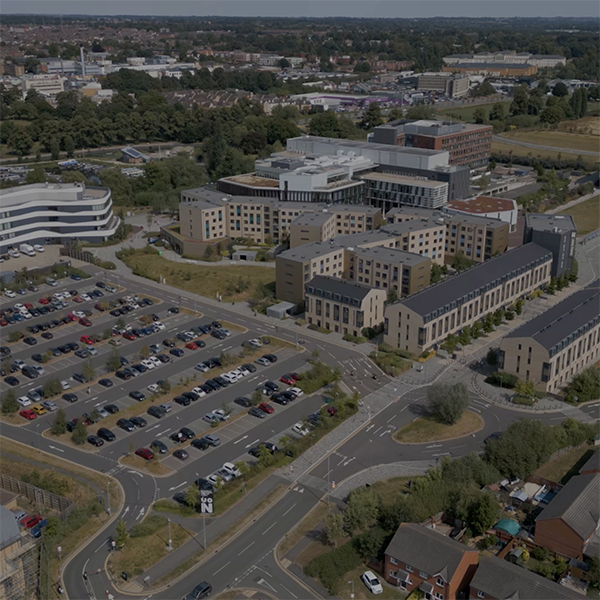
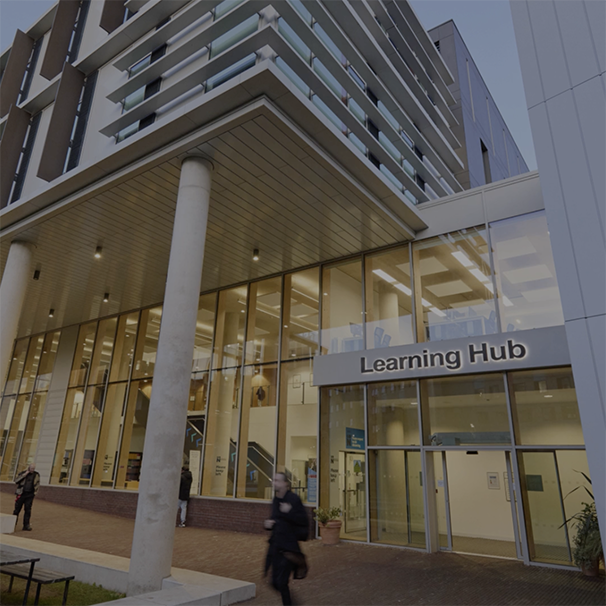
The University of Northampton is a public university in Northampton, England, known for its focus on social impact, innovation, and student experience. The university offers a wide range of undergraduate and postgraduate programs and is recognized for its modern campus and strong emphasis on employability and community engagement.
Marketing a university is not like marketing a simple product. The decision is big, the process is long, and the communication needs are constant.
Nick Hamilton-Brain, Marketing Account Manager at the University of Northampton, describes just how complex the journey is:
– I can’t think of another product like it.
Students do not just need to hear that a university exists. They need help understanding courses, applications, campus life, accommodation, outcomes, and next steps. They move through a long decision process, and at every stage there are new questions, new concerns, and new reasons they might drop off.
As Nick puts it:
– There are so many things to communicate along that customer journey.
That created a serious challenge. The university needed to communicate more, more often, and with more precision. But video, one of the most useful formats for doing that, was hard to scale. Before Storykit, video had to be used carefully:
– We don’t have an in-house production team, so if we ever want video content, we’re then outsourcing, says Nick.
That setup limited both volume and speed. Videos needed to stay relevant for a long time, because producing something short-lived simply was not practical.
– By necessity, video content needed to be quite evergreen.
For a university trying to communicate across a long and changing student journey, that was a problem. The team needed a way to create useful video faster, without turning every project into a full production.
The shift started with a simple idea: stop treating video as something separate, and start using the content the university already had.
Course pages, welcome packs, press releases, research papers, event pages, staff profiles, recruitment content. Instead of creating everything from scratch, the team could use Storykit to turn existing content into videos that were ready to use across channels.
That mattered because Nick and his team didn’t need more content ideas. They needed a better way to use the content they already had.
And the work quickly moved beyond simple summaries. Storykit helped the team create different angles from the same source material and use video in a more flexible way.
– We are able to generate more perspectives from Storykit with our content, says Nick.
That made video more useful across the whole operation. Instead of making a small number of polished assets, the university could build a bank of content that could be reused, shared internally, adapted to different moments, and published when needed.
One of the first big steps was a batch of around 60 master’s course videos. That proved the model. From there, the team expanded into larger workflows, including welcome pack videos for courses and automated press release videos.
Nick describes the shift:
– It’s not just different video content. Storykit has become its own specific channel that can be used for generating content.
Storykit also changed how the work got done. Rather than manually building each video, the team set up the rules in advance: layout, assets, tone, structure, and brand choices. Then the videos could be generated at scale.
As Shane McPartland-Weise, Customer Success Manager at Storykit, explains:
– We just set up the dominoes.
Once those “dominoes” were in place, Storykit could do the heavy lifting. The University of Northampton team now receives ready-made videos in their inbox, reviews them, makes edits if needed, and publishes them.
Storykit made it possible to build new workflows around speed and repeatability, not just around one-off production.
The biggest result is simple: University of Northampton can now create video content that would never have been made before.
The clearest example is the university’s welcome pack videos. These are course-specific introductions sent to students before they start, covering practical information like lecturers, locations, and what to expect. Historically, this had been written copy. With Storykit, the university turned that into video at scale.
In one batch, the team created close to 200 welcome pack videos in a single day.
– That was a game changer for us, says Nick.
And the response shows that students are using them. Those welcome pack videos have generated 13,450 views. More importantly, this was content the team says they simply would not have produced in the old setup.
As Nick puts it:
– There is no comparison because we just wouldn’t have done it before.
That pattern shows up again across the broader Storykit rollout. What began with course pages expanded into press releases, webinars, research papers, events, and more. During 2025 the university created 371 videos.
For the University of Northampton, video automation didn’t just solve a production problem – it changed how they approach communication. When asked whether he would recommend automating video creation, Nick’s answer is straightforward:
– I don’t really see why you wouldn’t.
For him, it comes down to what it enables.
– The key things are speed and agility.
Instead of planning and prioritizing a few high-effort videos, the team can now respond to what’s happening – creating content that is timely, relevant, and tailored to different needs across the student journey.
It’s not only about making more videos. It’s about adding a new layer of communication that simply wasn’t possible before.